<!DOCTYPE html>
Eliminating Pheromone Trails to Keep Rats Out of Your Attic
Eliminating Pheromone Trails to Keep Rats Out of Your Attic
Rats return to the same attic when scent markers remain. The strongest marker is a urine pheromone trail. It reads like a road map for roof rats and Norway rats. It also signals nest sites, water sources, and runways along rafters and eaves. In Escondido, CA, homes near canyons and riparian edges face higher rodent pressure. That pressure starts along Escondido Creek, Lake Hodges, and Daley Ranch. It moves into attics through small gaps at roof vents, soffits, and utility penetrations. Removing the scent trail matters as much as sealing the hole. Without both, the cycle restarts within weeks.
This article explains why pheromone trails drive re-infestation. It also outlines proven decontamination methods and exclusion standards used by Attic Guard in Escondido. The focus is local. It reflects conditions from Hidden Meadows to Felicita Park. It covers how North County weather, chaparral, and seasonal water flows push rodents into structures. It details technical steps with materials used on real jobs. It also signals what Google’s local map users want to see. That includes service area detail, license status, and warranty terms. The goal is simple. Help a homeowner in 92025, 92026, 92027, or 92029 understand what stops rodents for good.
Why pheromone trails are the repeat offender in Escondido attics
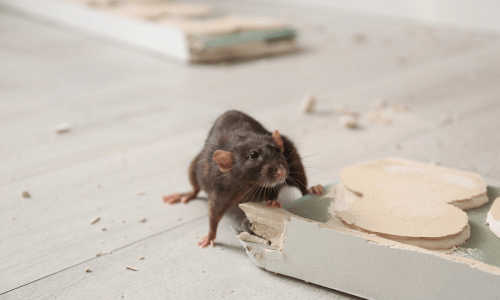
Rats communicate through scent. Urine pheromones mark the safe path and announce resources. In an attic, those lines form on joists, along electrical runs, and near insulation edges. When a home backs up to a canyon or open space, such as Daley Ranch or Lake Hodges, new rats move along familiar outdoor travel lines. They then locate the same roof vent screen, the same eave gap, or the same foundation crack. If the attic still smells like “home,” they settle. If the odor has been neutralized and the entry points sealed, they move on.
In Escondido’s 92027 and 92029 zones, roof rats are common due to palm trees, citrus, and backyard bird feeders. Those features sit near water and wind corridors that cross Escondido Creek. Roof rats prefer high routes. They climb fascia boards and reach attic vents. Norway rats dig. They push under slabs or follow drain lines. Both species bind to pheromone trails. Removing droppings and soiled insulation helps, yet the odor can linger deep in framing. That is why decontamination protocols rely on equipment that penetrates cavities and rough wood grain. It is also why the job pairs with full rodent proofing.
How urine and nesting damage ruin insulation R-value and indoor air quality
Rat urine soaks fiberglass and cellulose. It compresses the loft and cuts thermal resistance. Homeowners often notice a hotter second story in summer or longer heat cycles in winter. That is an R-value loss due to nesting and tunneling. Droppings and dander settle into the air pathways. When an HVAC system kicks on, air movement can lift particles. A HEPA vacuum reduces this hazard. Combined with an industrial air scrubber, it cuts aerosols during removal. This step protects the living area while crews work.
In Escondido, ceiling assemblies can be shallow in older homes in Old Escondido and areas near Eureka Meadows. The reduced cavity height magnifies heat gain when insulation is matted. Urine-soaked insulation also holds odor. That odor pulls rodents back even if a previous company trapped the last group. So every serious restoration combines insulation extraction, surface cleaning, sanitizer application, and re-insulation. The process blocks pheromone trails and resets thermal performance.
What real rodent proofing looks like in San Diego County
Rodent proofing is a construction task. It is not a trap-and-go visit. In Escondido, wind-driven debris loads soffit vents. That makes small screens weak. Roof rats push through or chew. A permanent fix uses 1/4 inch galvanized hardware cloth secured with screws and washers. Steel wool alone rusts. Foam alone breaks down. Foam can assist inside a sealed cavity as a backer, but the primary barrier should be metal. Flashing upgrades complete the line. High-traffic points include ridge vents, gable vents, utility penetrations, and roof-to-wall junctures. Eave gaps near tile roofs are common near Harmony Grove and Lomas Del Lago. Foundation cracks show up in older slabs across 92025 and 92030. Each site needs a tight, durable seal.
Professionals document every entry point and close them in a defined order. Exterior first. Then attic shell. Then interior chases. This blocks escape routes and prevents new ingress during the work. A blower machine removes or installs insulation in a controlled way. A HEPA vacuum cleans cavities. A ULV cold fogger or thermal fogger applies sanitizer that reaches into cracks. That combination removes pheromone markers. It also reduces pathogen risk. Hantavirus and Salmonellosis are two known threats associated with rodent waste. While risks vary by site, San Diego County health guidance supports HEPA-based cleaning and controlled disposal. The right vacuum, air scrubber, and fogger matter for safety and results.
Distinct Escondido risk factors that fuel attic infestations
Local terrain shapes rodent behavior. The chaparral slopes near Daley Ranch funnel rats along boulder lines and oak belts. After dry summers, water sources pull activity toward yards with irrigation. Homes near Escondido Creek pick up traffic when vegetation thickens. Hidden Meadows and Jesmond Dene sit along canyon edges where rodents move between natural cover and structures. Westfield North County Mall and the California Center for the Arts bring waste and lighting that support rodent populations. These are context clues that matter in a site assessment. Attic Guard’s teams account for them during free inspections across 92026, 92027, and 92046.
Wind patterns across Lake Hodges increase attic pressurization events. That pressure draws attic air through gaps along can lights, attic hatches, and duct boots. If insulation is contaminated, odor and particles can move into living rooms and bedrooms. That is a second reason to replace damaged insulation. It protects indoor air and helps HVAC performance. It also breaks the pheromone cycle at the molecular level. The attic should smell neutral after remediation.
Materials and machines that erase pheromone trails
The right tools produce consistent results. For solid waste and nesting, a HEPA vacuum lifts particles without releasing them back into the space. For airborne control during demolition, an industrial air scrubber runs with proper filtration. For sanitizer, a thermal fogger or ULV cold fogger applies micro-droplets that coat surfaces and penetrate grooves. The chemistry targets odor compounds linked to urine pheromones. Some products also add a residual effect that makes the environment less attractive to rodents. A blower machine then installs new insulation. TAP Insulation provides two benefits in this step. It adds thermal value and introduces an EPA-registered pest control feature. In select assemblies, Owens Corning and Knauf Insulation provide high-density fiberglass options that hold R-value in tricky cavities.
For exclusion, 1/4 inch galvanized hardware cloth forms the backbone. It resists gnawing and holds up in coastal air. Steel wool can support sealing inside a metal-backed crack. Professional-grade flashing covers transitions and seams. Proper weather stripping closes gaps at attic hatches and knee walls. Roof vent screens get reinforced and secured with sheet metal screws, not staples. Eave gaps along tile edges receive formed flashing plus hardware cloth. Foundation cracks get mortar or epoxy-based repair after proofing the perimeter. This parts list is not glamorous, but it works. It also outperforms light-duty foam and tape used in quick fixes from generic pest services.
How Attic Guard’s process builds lasting biosecurity
Biosecurity means reducing the chance of re-entry and re-amplification inside the structure. In Escondido, that starts with a mapped inspection around 510 Corporate Dr # F and across neighborhoods like Felicita Park and Old Escondido. The team checks rooflines, soffit vents, eaves, screen integrity, utility piping, and crawl spaces. They look for grease marks, droppings, and rub lines. They use thermal imaging when access is limited. Once mapped, the crew seals entry points with metal-first methods. They then extract urine-soaked insulation and droppings with HEPA vacuums. Containment protects the living area. Sanitizer fogging neutralizes pheromone trails. The attic dries. New insulation is installed to code or better. The final pass verifies no remaining gaps.
The job ends with a lifetime exclusion warranty on sealed entry points. The company is a CSLB-licensed contractor serving San Diego County. The team is bonded and insured. That matters when work involves roofs, ducts, and electrical chases. The crew documents before and after conditions with photos. Homeowners receive a report that notes entry points, materials used, and the insulation R-value achieved. If a homeowner lives near Lake Hodges and faces periodic outdoor surges, seasonal checkups can be scheduled. That protects the warranty and reduces surprise incursions after heavy rains.
Diagnostic clues a homeowner in Escondido should not ignore
Rodent activity in an attic often follows a pattern. In North County, roof rats move at dusk and before dawn. The scurrying sounds concentrate near soffits and roof valleys. Norway rats produce thumps along subfloors. A sudden odor after a heat wave can reveal fresh urine paths. Chewed wires and damaged HVAC ducts are safety hazards. A nest inside a duct can foul airflow and cut efficiency. Urine-soaked insulation loses R-value and increases energy bills. If these signs appear in 92029 or 92026, delay adds cost.
Fast indicators that point to a pheromone-driven infestation
The following shortlist helps a homeowner decide whether to book an inspection right away.
- Nighttime scurrying above ceilings near eaves and gable ends
- Grease marks along roof vent screens or attic hatch trim
- Urine odor intensifying on hot days or when HVAC starts
- Chewed insulation on ductwork or frayed cable jackets
- Fresh droppings clustered along joists or near entry gaps
If these show up in Harmony Grove, Jesmond Dene, or Hidden Meadows, the source is likely close. Rodents follow the same scent tracks inside and out. Local yards with citrus or dense hedges feed the loop. Blocking the loop requires more than bait. It needs structural exclusion and a full pheromone reset.
Why many “pest control” visits fail in Escondido
Short visits focus on trapping and bait. They reduce headcount but leave scent lines and holes. In a high-pressure corridor such as the Escondido Creek watershed, fresh rodents move in. The attic still smells like a rodent safe zone. Within weeks, new rats claim the space. A homeowner thinks the first job failed. In truth, the scope was incomplete. The fix must include entry point sealing with galvanized hardware cloth and flashing. It must include HEPA extraction of droppings. It must include fogging that neutralizes pheromone cues. It must include re-insulation to correct R-value loss. Without those steps, Escondido’s environment refills the attic.
Escondido field notes from recent attic restorations
A home near Hidden Meadows had repeat roof rat problems each spring. A previous service trapped several rats and sealed a few gaps with foam. The attic still smelled strong. The family noticed warm bedrooms in late afternoon. During the inspection, soiled fiberglass lined the eaves. Gable vent screens were thin and rusted. The fix used 1/4 inch galvanized hardware cloth, sheet metal screws, new flashing at tile-to-wall joints, and weather stripping at the hatch. A HEPA vacuum removed droppings. A ULV cold fogger applied a hospital-grade sanitizer that breaks down urine markers. New TAP Insulation brought the attic to a strong R-value for the zone. The odor vanished. No activity returned after summer heat kicked in.
Another case in Felicita Park involved Norway rats entering through a foundation crack. Duct jackets showed chew marks. Urine odor was faint, but droppings were fresh. Sealing used mortar repair over steel mesh backer at the crack, plus exterior grading fixes. An industrial air scrubber ran during cleanup to protect occupants. The team re-insulated a small area with Knauf high-density batts to fit a shallow cavity. The homeowner reported stable temperatures and no sound within a month.
Technical standards that stand up in San Diego County inspections
Inspectors and adjusters look for durable materials and proper containment. Galvanized hardware cloth should be 1/4 inch mesh. Fasteners should be corrosion resistant. Flashing should match roof type and not trap water. Softer materials like basic steel wool and consumer foam are not primary barriers. They degrade and can clog drains. HEPA filtration is a requirement for droppings cleanup. Venting during fogging should follow label instructions. Waste bags should meet local disposal rules. These standards protect health and property. They also improve long-term outcomes in high-pressure zones like 92027 and 92029.
Choosing insulation that helps defend against pests and heat
Insulation is not only about R-value in Escondido. Summer attic temperatures can spike above 130 degrees. Poorly installed insulation slumps and forms channels that carry heat into living spaces. TAP Insulation creates a dense, uniform layer with pest resistance built in. It performs well around can lights and odd framing with proper clearance. Owens Corning fiberglass and Knauf Insulation offer predictable R-values and known fire ratings. The right product depends on cavity shape, budget, and goals. A mixed approach can work. TAP for open areas. High-density batts for tight rafter bays. The important step is to remove all urine-soaked sections before adding new material. That is the pheromone control piece.
Escondido’s map of service and response
Attic Guard operates from 510 Corporate Dr # F in Escondido. The team services 92025, 92026, 92027, 92029, 92030, 92033, and 92046. The coverage includes Hidden Meadows, Harmony Grove, Jesmond Dene, Lomas Del Lago, Eureka Meadows, Felicita Park, and Old Escondido. Landmarks include the San Diego Zoo Safari Park, California Center for the Arts, Lake Hodges, Daley Ranch, Escondido Creek, and Westfield North County Mall. Neighboring cities include San Marcos, Valley Center, Rancho Bernardo, Poway, Vista, and San Diego. This footprint matters. It reflects the real migration paths of North County rodents. It also shortens response times after rain or wind events that knock out screens and open new gaps.
Comparing big-box supplies and professional-grade exclusion
Home Depot carries foam and generic vent screens. These are fine for temporary patches. In Escondido’s environment, they fail under gnaw pressure and heat cycles. Orkin, Terminix, and Western Exterminator provide pest control. Their general protocols help reduce rodent numbers. The gap appears in the structural details. Attic Guard uses 1/4 inch galvanized hardware cloth, metal flashing, and formed vent guards. The crew secures screens with screws and washers. Steel wool is a secondary filler behind a metal face. Expanding foam is used only as a sealant support where appropriate, not as a barrier by itself. This build quality costs more upfront. The payoff is a lifetime exclusion warranty on sealed entry points. That is the difference between control and a permanent fix in 92025 or 92029.
Attic cleaning, decontamination, and biosecurity sequence
The sequence matters. Start with a full perimeter and roofline seal. That stops new entry during cleanup. Next, remove soiled insulation with a blower machine and baggers. Run an industrial air scrubber to protect indoor air. HEPA vacuum all surfaces. Apply sanitizer with a thermal fogger or ULV cold fogger to break down urine pheromones and reduce pathogens. Allow dry time per label. Inspect wiring and ducts for chew marks. Repair or coordinate a licensed trade for electrical or HVAC as needed. Install new insulation. Verify hatch seals and weather stripping. Perform a final walkthrough with photos and a report. This order breaks the scent cycle and restores R-value.
Simple homeowner actions that help keep pheromone trails from rebuilding
After a professional restoration, small habits maintain the result.
- Trim palms and trees that bridge to rooflines
- Store pet food and bird seed in sealed containers
- Reduce dense ground cover along foundation edges
- Keep trash bins closed and away from the house
- Schedule seasonal vent and screen checks before Santa Ana winds
These steps do not replace exclusion or decontamination. They reduce attractants and slow outside traffic. In neighborhoods near Daley Ranch and Lake Hodges, these basics lower the chance of new rodents pressing the structure.
Signs that call for immediate professional attention
Electrical arcing risk rises when rats chew insulation on wires. Odor that intensifies after HVAC starts can signal waste near return lines. Visible droppings near the attic hatch suggest a heavy load. If a homeowner hears scurrying at night and wakes to warm rooms by afternoon, the insulation may be collapsed. These conditions justify a free inspection. Serving the 92029 area and beyond, Attic Guard provides fast attic entry-point mapping and on-site photos. The team understands the migration patterns shaped by the Escondido Creek watershed. That local context changes the plan from a generic treatment to a focused exclusion and decontamination.
Frequently asked questions for Escondido homeowners
Do you offer a warranty on rodent exclusion. Yes. There is a lifetime exclusion warranty on sealed entry points. If a sealed point fails, the team repairs it. The warranty does not cover new structural changes outside the work zone such as a new roof penetration added later without a screen.
Is attic cleaning safe for my family. The crew uses HEPA-filtered vacuums and industrial air scrubbers to control dust. Containment prevents cross-contamination to living areas. Sanitizers are applied per label with thermal or ULV foggers. Occupancy guidelines are followed during dry times. This reduces risk linked to Hantavirus and Salmonellosis exposure.
Are you licensed in San Diego County. Yes. The company is a CSLB-licensed contractor, bonded and insured. Roof, duct, and electrical chase work requires that level of credential and coverage.
What if I live near Hidden Meadows where winds are strong. The team upgrades fasteners and uses formed flashing that resists uplift. Seasonal checks help in high-wind corridors. These checks also catch damage after storms.
What insulation do you install after decontamination. TAP Insulation is common for its pest resistance and stable thermal performance. Owens Corning and Knauf Insulation materials are used where fiberglass batts make more sense. The choice depends on cavity shape, ventilation, and target R-value.
Local case benchmarking for 92025 and 92027
Attic Guard has completed numerous full attic restorations in Hidden Meadows. Canyon-front properties see repeat pressure as temperatures swing between seasons. Jobs near Eureka Meadows show roof rat traffic along tile eaves. Older homes in Old Escondido often need soffit vent rebuilds and hatch weather stripping. Properties near the San Diego Zoo Safari Park report increased outdoor activity during dry spells. In each case, results stabilize after exclusion with 1/4 inch galvanized hardware cloth, decontamination with HEPA and fogging tools, and new insulation. Energy bills tend to trend down by the next billing cycle as the R-value returns.
Why pheromone blocking technology matters even after trapping success
Trapping removes the current population. It does not change what the next cohort can smell. Urine pheromones bind to porous wood, drywall paper, and old insulation. Sanitizer fogging breaks that signal. Thermal foggers deliver warm particles that cling to rough surfaces and penetrate channels. ULV cold foggers deliver uniform micro-droplets at cooler temps. Both methods work when product selection matches the job. Neutralizing the trail denies the next rats the confidence cue to enter. When combined with sealed entry points, this removes the reward and the route. That is why Attic Guard treats scent as seriously as gaps.
Attic restoration scope specific to Escondido building styles
Split-level homes near Felicita Park often hide chases where pipes and wires merge. These spaces need steel wool backing behind metal plates and foam only as a support. Tile roofs near Lomas Del Lago require shaped flashing at transitions. Gable vents in 92026 often have thin screens that warp in heat. Replacing them with hardware cloth and framed screens stops chewing. Crawl spaces in Jesmond Dene benefit from perimeter proofing and graded drainage to deter Norway rats. Each build type needs a slightly different parts set. The company stocks roof vent screens, formed flashing, weather stripping, and fasteners that match these conditions.
The role of HVAC ducts and electrical safety during remediation
Chewed HVAC ducts leak conditioned air into the attic. That increases bills and reduces comfort. During remediation, crews check for collapsed duct sections and torn jackets. Repairs happen before new insulation goes in. Electrical runs with gnaw marks need a licensed electrician. The crew flags these issues in the report. Securing these systems before insulation improves safety and performance. It also reduces warm spots that might concentrate odor. That helps keep pheromone signals low after fogging.
How Attic Guard positions service for North County resiliency
The team covers Escondido, San Marcos, Valley Center, Rancho Bernardo, Poway, Vista, and San Diego. This range captures inland and coastal air patterns. It helps predict when screens and seals face stress. Local crews understand how Santa Ana winds hit gables and lift weak vent covers. They set hardware to resist this load. The company’s location on Corporate Dr shortens drive times to Lake Hodges, Daley Ranch, and Escondido Creek projects. Faster response after first signs of scurrying limits damage. It also shortens the window during which pheromone lines grow stronger.
Service attributes that matter for Google’s local map users
Map-pack users look for proximity, license, warranty, and a clear offer. Attic Guard meets those signals. The company is local to Escondido with fast access to 92025 and 92029. The license is active with CSLB. The team is bonded and insured. The offer is a free attic inspection for 92025 residents with a full entry-point report. The warranty is lifetime on sealed entry points. The company uses eco-friendly decontamination and pheromone blocking technology. These are trust markers that save time and reduce risk for homeowners.
Rodent proofing, attic cleaning, and insulation replacement in one plan
Homeowners often ask if work can be staged. In high-pressure environments near Daley Ranch and Lake Hodges, staging invites re-entry. The best plan is a same-week sequence that seals, cleans, sanitizes, and re-insulates in one flow. This blocks pheromone reinforcement. It also protects R-value as soon as possible. If budget requires phasing, start with exterior exclusion and immediate droppings removal with HEPA. Then schedule fogging and insulation within a short window. The report will help plan each step with photos and costs.
What to expect during your free Escondido inspection
A technician arrives, introduces the process, and gears up for attic access. They check the roofline, soffits, gables, vents, chimney flashing, and utility penetrations. Inside, they inspect the attic hatch, measure insulation depth, and check for urine-soaked sections. HEPA-safe sampling is performed if needed. They document droppings, rub lines, and gnaw marks. The technician explains how urine pheromone trails guide rodents through that exact layout. They present options that include exclusion, decontamination with thermal or ULV fogging, and insulation replacement. They also discuss TAP Insulation or alternatives from Owens Corning and Knauf Insulation. The plan includes a timeline and a warranty explanation.
Pricing variables a homeowner should understand
Costs vary by access, contamination level, and the number of entry points. A simple roof vent screen job in 92026 costs less than a full attic restoration in Old Escondido with multiple gables and a tile roof. Sanitizer selection and the need for industrial air scrubbers can add time. Duct or electrical repairs are separate if a licensed trade is required. The technician outlines these variables upfront. Clear photos and line items help a homeowner make a decision. The company keeps the scope aligned with the real risk and the goal of ending repeat infestations.
Why Attic Guard over a general pest route
General pest routes emphasize control. Attic Guard focuses on exclusion, decontamination, and insulation performance. The methods apply building science. The materials exceed hardware store options. The sequence is designed to erase pheromone trails. The warranty confirms confidence in sealed points. For Escondido homeowners living near high-pressure corridors, this difference shows up as silence in the attic and stable energy bills.
Service snapshot for quick reference
Core services include rodent proofing, rodent exclusion, attic cleaning, attic restoration, insulation replacement, decontamination, and pest control-grade biosecurity. Component parts include galvanized hardware cloth, steel wool as a backing aid, expanding foam as a seal support when paired with metal, roof vent screens, eave gap seals, soffit vents, foundation crack repair, flashing, and weather stripping. Equipment includes HEPA vacuums, thermal foggers, ULV cold foggers, industrial air scrubbers, and blower machines for insulation. Symptom focus includes Hantavirus risk, Salmonellosis exposure, rat droppings and urine pheromone trails, chewed wires, HVAC duct damage, compromised R-value, scurrying sounds, and urine-soaked insulation. The brand uses TAP Insulation, Owens Corning, and Knauf Insulation where each fits best.
Next steps if you live near Lake Hodges, Daley Ranch, or Escondido Creek
If there are fresh droppings, gnaw marks, or scurrying, act now. The longer urine pheromones sit, the stronger the path. Escondido’s open spaces feed a steady stream of rodents. The fix requires both exclusion and decontamination. A free inspection clarifies the picture with photos and a written plan. Many jobs start within days. Most homes see same-week turnaround for full restoration when schedules allow.
Local conversion details and contact
Business name: Attic Guard. Address: 510 Corporate Dr # F, Escondido, CA 92029. Phone: (760) 906-8043. Service areas: 92025, 92026, 92027, 92029, 92030, 92033, 92046. Neighborhoods served: Hidden Meadows, Harmony Grove, Jesmond Dene, Lomas Del Lago, Eureka Meadows, Felicita Park, Old Escondido. Landmarks covered: San Diego Zoo Safari Park, California Center for the Arts, Lake Hodges, Daley Ranch, Escondido Creek, Westfield North County Mall. Neighboring cities: San Marcos, Valley Center, Rancho Bernardo, Poway, Vista, San Diego.
Clear conversion signals for Escondido homeowners
Book a free 92025 attic inspection and receive a comprehensive rodent entry-point report. Ask about eco-friendly decontamination and pheromone blocking technology used during attic restoration. Confirm CSLB license, bonded and insured status, and the lifetime exclusion warranty on sealed entry points. Schedule service from a local Escondido team that understands North County rodent pressure near Lake Hodges, Daley Ranch, and Escondido Creek. Call (760) 906-8043 or request a visit online. The path ends where the pheromone trail ends.
Attic Guard | Escondido Office
Business Name: Attic Guard
Address: 510 Corporate Dr # F, Escondido, CA 92029, United States
Primary Phone: +1 858-400-0670
Direct Line: +1 858-786-0331
Website: atticguardca.com/escondido
Connect With Us & Read Reviews
Yelp Reviews Facebook Instagram
Operational Hours
*Serving Escondido (92025, 92026, 92027, 92029) and all of North San Diego County.